 U.S. stocking partner
Ingredient
Lion's Mane Mushroom in NeuroDyne: Promising in Labs, Thin in People
Lion's mane mushroom is named for NeuroDyne, but its amount is not published. Human trials were small: 30 adults on about 3 g a day improved, then slipped back 4 weeks after stopping; 41 young adults on 1.8 g a day saw mostly no change (Mori et al., 2009) (Docherty et al., 2023). Avoid it with a mushroom allergy (MSKCC, Lion's mane).
Written by the NeuroDyne editorial teamUpdated
On the label
How much lion's mane is in NeuroDyne?
Not published. The mushroom is named; the grams are not.
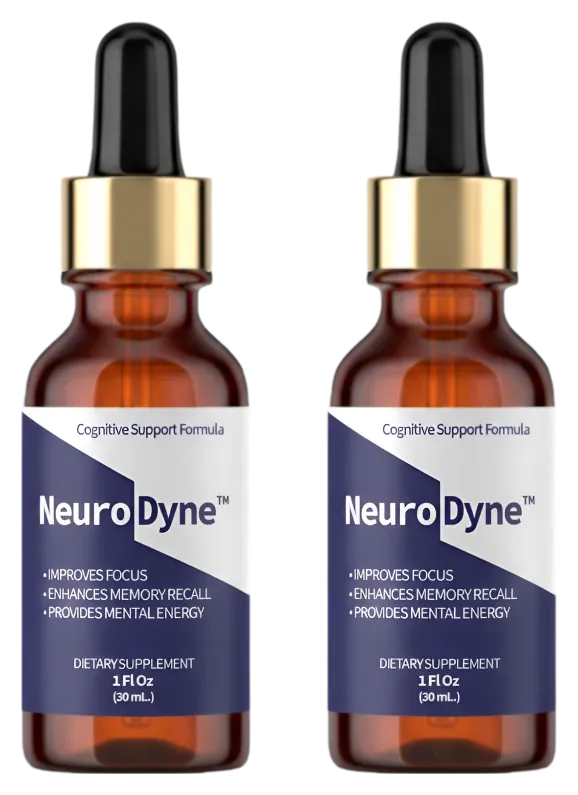
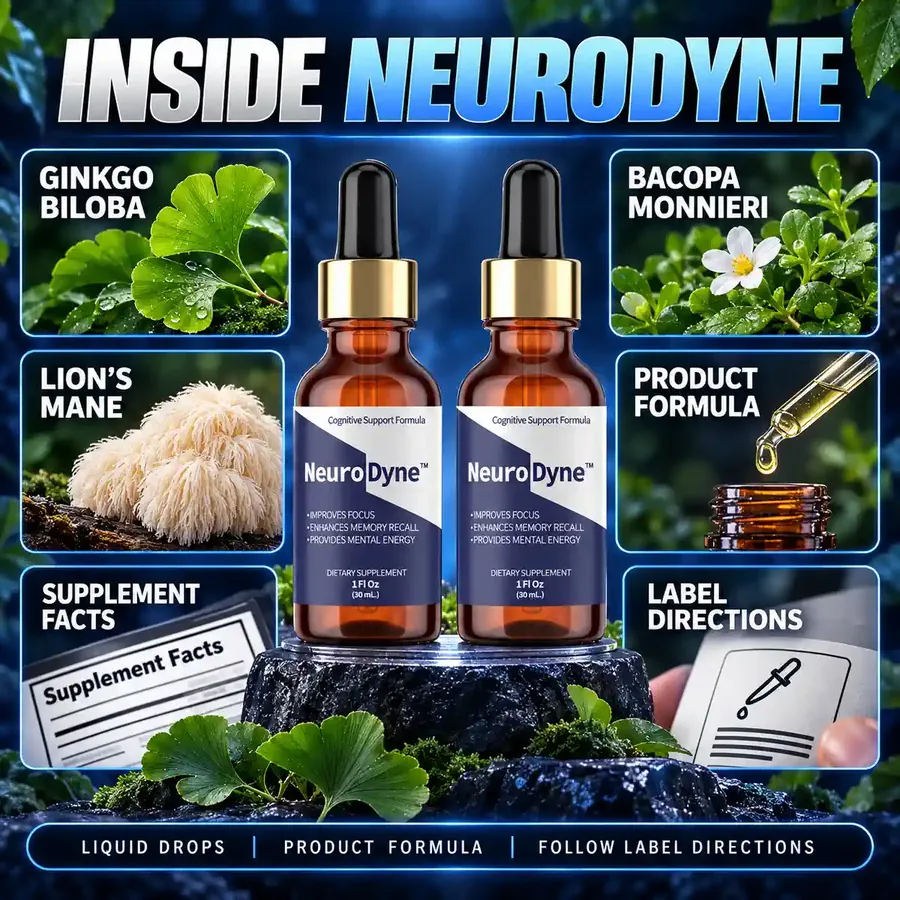
The sales FAQ and the Inside NeuroDyne graphic list lion's mane mushroom as one of three ingredients. As of October 11, 2026, no Supplement Facts panel appears in the product images or on the sales page. Human trials used 1,050 mg to about 3 g a day, so the missing figure matters.
| Label name | Lion's Mane Mushroom (named, no amount) |
|---|---|
| What it is | Hericium erinaceus · Mushroom |
| Place on the label | 3 of 3 (order as named in the sales FAQ; the bottle's Supplement Facts panel is not in our images) |
| Amount on the label | Amount not published |
| What research has used | 1.05-3 g a day in small trials of 4-49 weeks |
| Strength of evidence | Very limited, mixed |
| What it is sold for | Sold for focus and memory |
| Main caution | Mild stomach upset or rash; avoid with mushroom allergy. |
Background
What is lion's mane mushroom?
It is an edible mushroom, Hericium erinaceus, sold for focus and memory. Much of the interest comes from lab and animal work. Memorial Sloan Kettering notes that clinical data in people are limited (MSKCC, Lion's mane).
Trials gave it as capsules or tablets of the mushroom alone. One trial used mycelia enriched with a compound called erinacine A (Li et al., 2020). NeuroDyne does not say which part of the mushroom it uses or in what form.
Human trials
What did human studies of lion's mane find?
Mixed, small results. The three trials below enrolled 30, 41 and 49 people. Only one showed a clear gain, and it faded once people stopped.
| Trial | Who | Daily amount | Length | Result |
|---|---|---|---|---|
| Mori 2009 | 30 adults aged 50-80 with mild cognitive impairment | About 3 g | 16 weeks | Scores improved, then fell 4 weeks after stopping |
| Docherty 2023 | 41 healthy young adults | 1.8 g | 28 days | One faster test after a single dose; most measures no change |
| Li 2020 | 49 people | 1,050 mg | 49 weeks | Main memory scores did not differ; authors worked for the supplier |
| NeuroDyne | No trial | Not published | Not studied | Unknown |
Reading the studies
Why are lion's mane results hard to rely on?
The trials are few, small and short. LiverTox, an NIH resource, summarizes 7 small trials and calls the results mixed (LiverTox, Lion's mane).
- Size: 30 to 49 people per trial. A single dropout shifts the numbers.
- Fading effect: in Mori's trial, gains slipped within 4 weeks of stopping (Mori et al., 2009).
- Who paid: the Li authors worked for the company supplying the mushroom (Li et al., 2020).
- Different people: older adults with mild impairment in one trial, healthy students in another.
For a plain-language reading of each paper, see what lion's mane studies show.
Evidence ladder
How strong is lion's mane evidence next to bacopa and ginkgo?
Each rung asks how directly the research answers one question: will the bottle help memory or focus?
- BacopaNine trials, 12+ weeks each
Small gains in attention speed at 300-450 mg a day. (Kongkeaw et al., 2014)
- Lion's maneSmall trials of 30-49 people
Mixed results; gains faded after stopping in one trial. (LiverTox, Lion's mane)
- GinkgoThe GEM trial: 3,069 adults
Did not prevent memory decline or dementia over about 6 years. (DeKosky et al., 2008)
- NeuroDyneNever studied as a product
No trial of NeuroDyne, and no published amounts to compare. (FTC, Health claims)
The longer the bar, the more directly that evidence answers the question: will this bottle help my memory or focus? It sums up the linked sources in our own judgment; it is not a score from any study.
Try NeuroDyne with 60 days to decide1 fl oz dropper bottle · from $49 a bottle on 6 · free U.S. shipping on 3 or 6
Order nowSafety
Is lion's mane safe to take?
For most adults it seems mild, with one firm exception: mushroom allergy. LiverTox reports mild stomach complaints in under 10% of trial users and calls liver injury unlikely (LiverTox, Lion's mane). No long-term safety trials exist.
| Stomach complaints | Mild, under 10% of trial users |
|---|---|
| Nausea or skin rash | Reported by Memorial Sloan Kettering |
| Liver injury | Unlikely, per LiverTox |
| Long-term safety | No trials |
| Pregnancy and nursing | Not studied; ask your doctor |
Skip NeuroDyne if you react to mushrooms. Lion's mane is a mushroom, and even a small amount can matter in an allergy.
All three herbs' reported effects are gathered on the NeuroDyne side effects page.
Brain fog
Does lion's mane help with brain fog?
No trial measured brain fog. The sales page claims less brain fog, but the studies above tracked test scores, not that feeling.
Ongoing fog often has a cause a doctor can find. MedlinePlus lists low B12, medicines, alcohol, depression and stroke among causes of memory trouble (MedlinePlus, Memory loss). Over time, metformin and acid reducers can lower B12 (NIH ODS, Vitamin B12).
A 62-year-old on metformin notices afternoon fog. A simple B12 blood test may explain more than any mushroom extract could.
Your bottle
What should you check on your NeuroDyne bottle about lion's mane?
The amount
Trials used 1,050 mg to about 3 g a day. Look for a figure in milligrams.
Fruiting body or mycelium
At least one trial used mycelium. The label or the maker should say which part is used.
Allergy wording
Read the warning text for any mushroom notice before the first dose.
Other ingredients
How does lion's mane fit with NeuroDyne's other herbs?
It is the least tested of the three. Bacopa has the most consistent data. Ginkgo has the biggest trial, and it was negative. Compare all three on the NeuroDyne ingredients overview.
FAQ
Lion's mane in NeuroDyne: common questions
Does lion's mane mushroom improve memory?
The evidence is thin. In a 16-week trial of 30 adults with mild cognitive impairment, about 3 g a day raised scores, but they fell 4 weeks after stopping. Larger and longer trials found little or no change in main memory measures.
How much lion's mane is in NeuroDyne?
The amount is not published. No Supplement Facts panel appears in the product images or on the sales page. Human trials used 1,050 mg to about 3 g a day, so ask the maker for the figure before comparing.
Which side effects does lion's mane have?
Usually mild. LiverTox reports stomach complaints in under 10% of trial users, and Memorial Sloan Kettering adds nausea and skin rash. No long-term safety trials have been done.
Can I take NeuroDyne if I'm allergic to mushrooms?
No. Lion's mane mushroom is on NeuroDyne's list, and Memorial Sloan Kettering says people with a mushroom allergy should avoid it. Talk to an allergist before trying any product that contains it.
How long does lion's mane take to work?
Trials ran from 28 days to 49 weeks. The only clear gain showed up in a 16-week trial and faded within a month of stopping. A single 30-day bottle is short by those standards.
Is lion's mane bad for the liver?
LiverTox calls it an unlikely cause of liver injury. It also notes that no long-term safety trials exist, so tell your doctor you take it if you have liver disease.
Who wrote this
Written and reviewed by
Plain-language pages built from the bottle images, the sales page and linked public health sources such as NIH, FDA and Cochrane.
Page revised . Read our editorial standards and the way we check reviews. This website is run by Neurodynesupport, a U.S. stocking partner for NeuroDyne, not by the manufacturer. We are paid a commission when you buy through our order links.
Keep reading
More about NeuroDyne
Lion's mane: the studies
Three small lion's mane trials, side by side: doses, lengths, results and the funding caveat.
Read more
Side effects
Stomach upset, bleeding risk and mushroom allergy: what NeuroDyne's three herbs can cause and who should check first.
Read moreGinkgo biloba
The best-known memory herb, and the one with the largest negative trial. Amount in NeuroDyne: not published.
Read moreU.S. stocking partner for NeuroDyne
Ready to try NeuroDyne?
Pick a pack. Check your bottle's directions first; each pack lasts through the full 60-day window.
- Secure checkout
- 60-day money-back window
- Tracking in the order email