 U.S. stocking partner
Ingredient
Ginkgo Biloba in NeuroDyne: What the Big Trials Found
Ginkgo biloba is one of three herbs named for NeuroDyne, but its amount is not published. The largest trial, GEM, gave 3,069 adults aged 75+ 240 mg a day for a median 6.1 years. Dementia rates were 17.9% on ginkgo and 16.1% on placebo, so it did not help (DeKosky et al., 2008) (GEM trial results, 2008). With blood thinners, ginkgo may raise bleeding risk (NCCIH, Ginkgo).
Written by the NeuroDyne editorial teamUpdated
On the label
How much ginkgo biloba is in NeuroDyne?
The amount is not published. Ginkgo is named; the milligrams are not.
The sales FAQ and the brand's Inside NeuroDyne graphic both list ginkgo biloba. Neither gives a number. No Supplement Facts panel appears in the product images or on the sales page we checked on October 11, 2026. The table below sets the label facts next to what research used.
| Label name | Ginkgo Biloba (named, no amount) |
|---|---|
| What it is | Ginkgo biloba · Tree leaf |
| Place on the label | 1 of 3 (order as named in the sales FAQ; the bottle's Supplement Facts panel is not in our images) |
| Amount on the label | Amount not published |
| What research has used | 240 mg a day of extract for about 6 years (GEM trial) |
| Strength of evidence | Did not prevent memory decline |
| What it is sold for | Sold for memory and circulation |
| Main caution | May raise bleeding risk with blood thinners such as warfarin. |
Background
What is ginkgo biloba?
It is an extract made from the leaves of the ginkgo tree. Supplements sell it mostly for memory and circulation. In research, it is usually given as a measured leaf extract in tablets, not as a liquid.
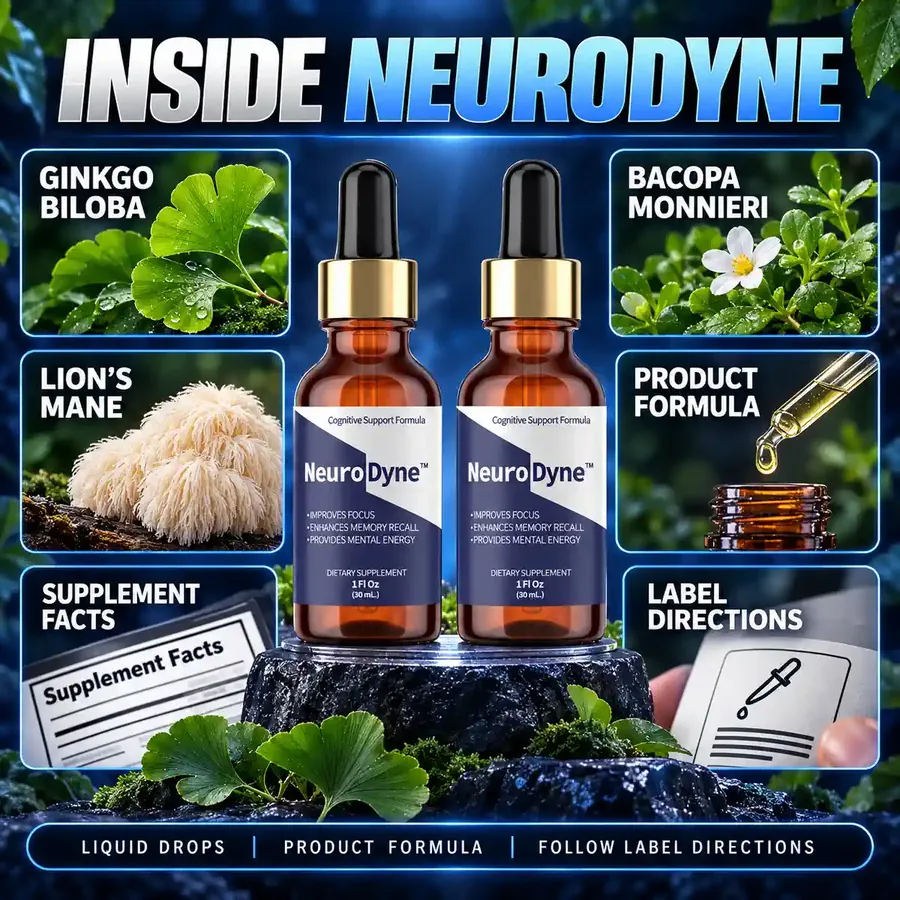
Because the tablets in trials held a fixed amount, results can be tied to a dose. A product without a published amount cannot be tied to any of those results.
The GEM trial
Did ginkgo improve memory in the GEM trial?
No. GEM is the biggest ginkgo trial run, and ginkgo did no better than a dummy pill at stopping dementia. Researchers followed thousands of older adults for about six years (DeKosky et al., 2008).
| People | 3,069 adults aged 75 and older |
|---|---|
| Daily amount | 120 mg of extract twice a day (240 mg) |
| Length | Median 6.1 years |
| Dementia on ginkgo | 17.9% |
| Dementia on placebo | 16.1% |
| Verdict | No protection against dementia or Alzheimer's disease |
Note the size of the gap. Ginkgo's rate was slightly higher, though the trial treated the two as no real difference. NCCIH sums it up the same way: large studies found ginkgo did not lower dementia risk (NCCIH, Ginkgo) (NCCIH, Cognition digest).
All the trials
What do reviews of all the ginkgo studies conclude?
They call the evidence inconsistent and unreliable. A Cochrane review pooled 36 trials of ginkgo for memory problems and dementia (Cochrane, Ginkgo 2009). Some small studies looked positive. Larger and better ones did not.
- Cochrane, 36 trials: benefit not shown in a consistent, reliable way (Cochrane, Ginkgo 2009).
- NCCIH: no conclusive evidence that ginkgo slows cognitive decline (NCCIH, 7 things).
- Side effects in trials: no more common than on placebo in the Cochrane data.
For a longer walk through GEM's design and why it mattered, read what the ginkgo GEM trial showed.
Evidence ladder
How far does ginkgo research go toward NeuroDyne's claims?
From the most direct evidence for the bottle's memory claim to the least.
- BacopaNine trials, 12+ weeks each
Small gains in attention speed at 300-450 mg a day. (Kongkeaw et al., 2014)
- Lion's maneSmall trials of 30-49 people
Mixed results; gains faded after stopping in one trial. (LiverTox, Lion's mane)
- GinkgoThe GEM trial: 3,069 adults
Did not prevent memory decline or dementia over about 6 years. (DeKosky et al., 2008)
- NeuroDyneNever studied as a product
No trial of NeuroDyne, and no published amounts to compare. (FTC, Health claims)
The longer the bar, the more directly that evidence answers the question: will this bottle help my memory or focus? It sums up the linked sources in our own judgment; it is not a score from any study.
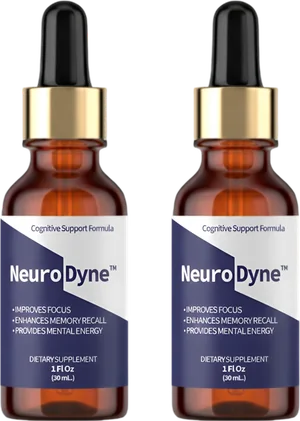
Try NeuroDyne with 60 days to decide1 fl oz dropper bottle · from $49 a bottle on 6 · free U.S. shipping on 3 or 6
Order nowSafety
Is ginkgo safe with blood thinners like warfarin?
Not without your prescriber's okay. NCCIH warns that ginkgo may raise bleeding risk when combined with blood thinners such as warfarin (NCCIH, Ginkgo). The same reasoning applies to daily aspirin and to anyone with surgery or dental work coming up.
A daughter wants to buy NeuroDyne for her 66-year-old mother, who takes warfarin. The right first step is a call to the mother's prescriber with the bottle in hand, not a first dose.
| Effect | How it shows up | What to do |
|---|---|---|
| Stomach upset | Queasy stomach after a dose | Take it with food if your label allows; stop if it persists |
| Headache | Dull ache in the first days | Note it in your log; stop if it keeps coming back |
| Dizziness | Light-headed feeling | Stop and tell your doctor |
| Unusual bruising or bleeding | Gums, nose, easy bruises | Stop and call your doctor the same day |
More detail on all three herbs is on the NeuroDyne side effects page.
Fair view
Why would a memory formula still include ginkgo?
Familiarity, mostly. Ginkgo is one of the best-known herbs on shelves, and it is well studied. In Cochrane's data it was also well tolerated.
That is not the same as support for the bottle's line "Enhances memory recall". The strongest ginkgo trial was negative, and NeuroDyne itself has never been tested. The FTC expects health claims to rest on reliable human trials of the product or an equivalent formula (FTC, Health claims).
Ginkgo is not a treatment for dementia, and no NeuroDyne ingredient should delay a doctor's visit about memory loss. Low B12, medicines, depression and poor sleep are common, treatable causes (MedlinePlus, Memory loss).
Your bottle
What should you look for on the NeuroDyne label about ginkgo?
Milligrams per serving
Compare the figure with the 240 mg a day that GEM used. Our images show no number.
Extract or leaf powder
Trials used a measured leaf extract. Plain leaf powder is a different product.
A bleeding warning
Many ginkgo labels mention blood thinners. Read the warning text before the first dose.
Other ingredients
How does ginkgo compare with NeuroDyne's other two herbs?
It has the biggest trial and the weakest result. Bacopa has small but repeated gains in attention speed. Lion's mane has only small, mixed trials. All three sit side by side on the NeuroDyne ingredients overview.
FAQ
Ginkgo in NeuroDyne: common questions
Does ginkgo biloba improve memory?
Not reliably. The GEM trial gave 240 mg a day to 3,069 adults aged 75+ for about six years and found no protection against dementia. A Cochrane review of 36 trials called the evidence for memory benefit inconsistent and unreliable.
How much ginkgo is in one serving of NeuroDyne?
That figure is not published. No Supplement Facts panel appears in the product images or on the sales page. Read the panel on your own bottle, or ask the maker, and compare it with the 240 mg a day used in the GEM trial.
Is NeuroDyne OK for someone on warfarin?
Ask your prescriber first. Ginkgo is on NeuroDyne's list, and NCCIH warns it may raise bleeding risk with blood thinners such as warfarin. Bring the bottle to the appointment so the label can be checked.
Should I stop ginkgo before surgery?
Tell your surgeon you take it, because ginkgo may affect bleeding. Your surgical team will say when to stop. Do the same before dental work that could cause bleeding.
Which side effects does ginkgo biloba have?
NCCIH names dizziness, upset stomach and headache as side effects, and a possible rise in bleeding risk with blood thinners. In the Cochrane data, side effects were no more common than on placebo.
Can ginkgo stop Alzheimer's from developing?
No. In the GEM trial, 17.9% of people taking ginkgo and 16.1% taking a placebo developed dementia, and the researchers found no protective effect. Ginkgo is not a treatment for Alzheimer's disease.
Who wrote this
Written and reviewed by
Plain-language pages built from the bottle images, the sales page and linked public health sources such as NIH, FDA and Cochrane.
Page revised . Read our editorial standards and the way we check reviews. This website is run by Neurodynesupport, a U.S. stocking partner for NeuroDyne, not by the manufacturer. We are paid a commission when you buy through our order links.
Keep reading
More about NeuroDyne
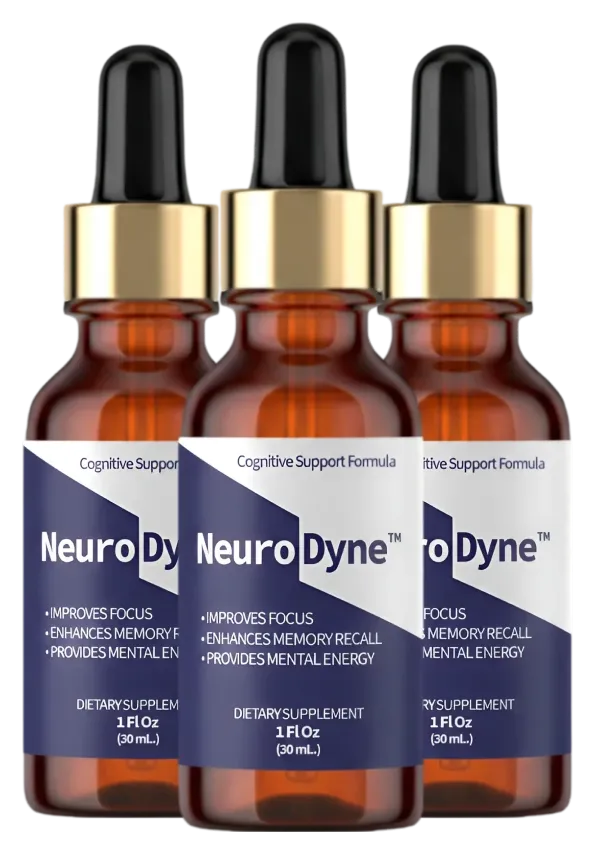
Side effects
Stomach upset, bleeding risk and mushroom allergy: what NeuroDyne's three herbs can cause and who should check first.
Read more
Ginkgo and the GEM trial
The biggest ginkgo trial followed 3,069 older adults for about 6 years. Here are its numbers in plain words.
Read more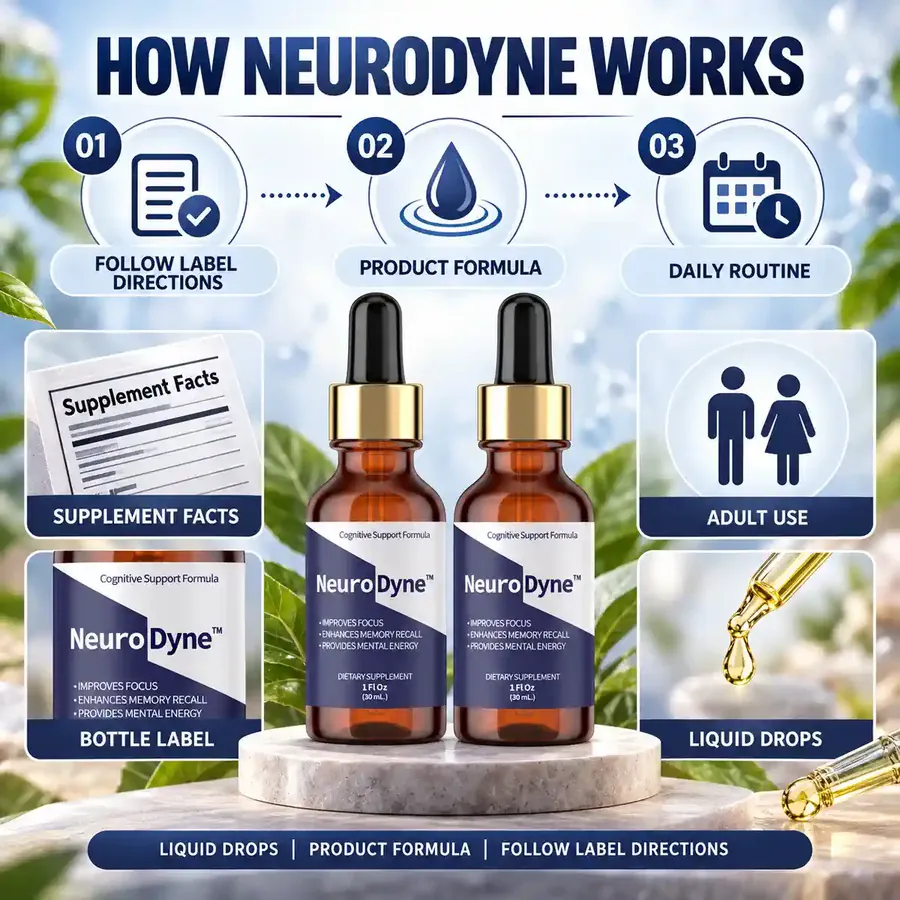
Bacopa monnieri
The NeuroDyne herb with the most consistent data: small attention gains after 12 weeks. Amount: not published.
Read moreU.S. stocking partner for NeuroDyne
Ready to try NeuroDyne?
Pick a pack. Check your bottle's directions first; each pack lasts through the full 60-day window.
- Secure checkout
- 60-day money-back window
- Tracking in the order email